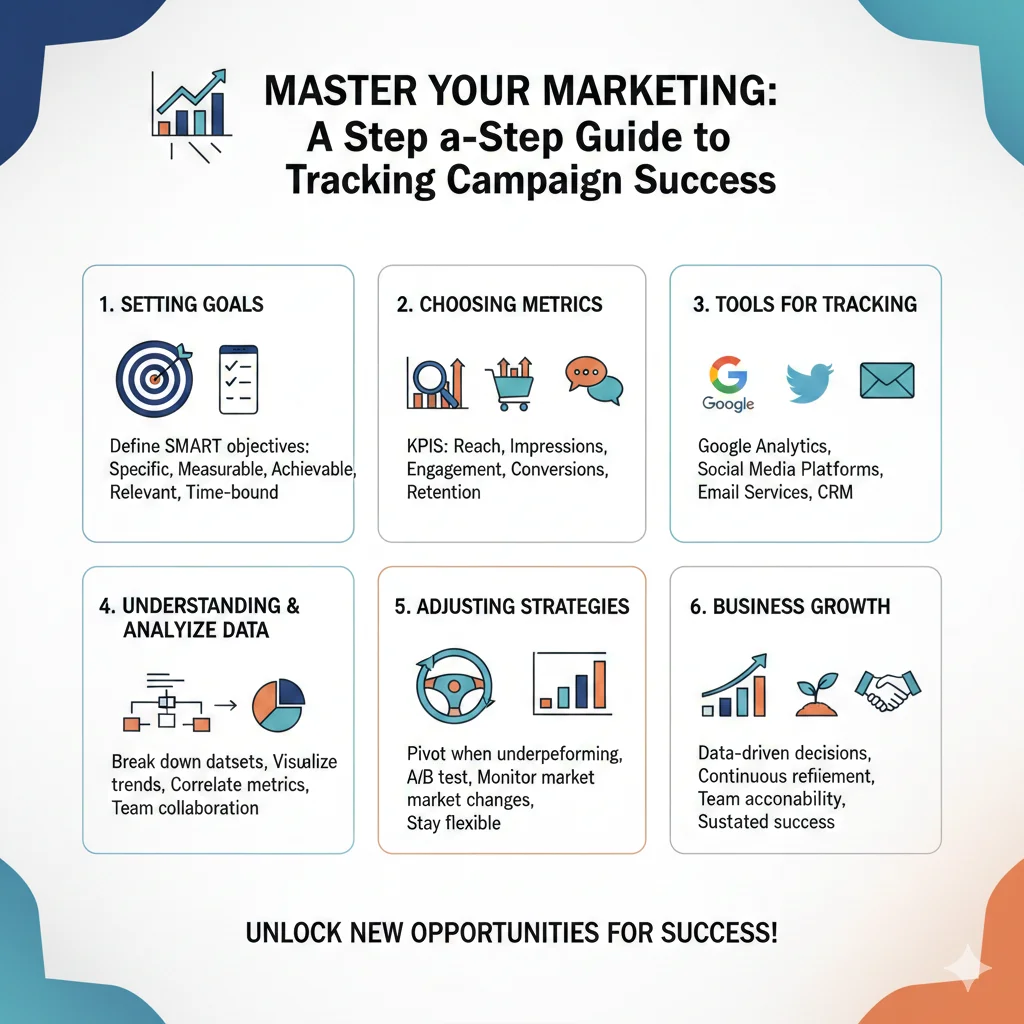
Introduction
In the fast-paced world of marketing, knowing how well your campaigns perform can make or break your business. Tracking campaign success isn’t just a buzzword; it’s a crucial component that drives growth and innovation. With countless channels and strategies at our disposal, navigating this landscape can feel daunting.
But fear not! Whether you’re launching an email blast or running social media ads, there’s a clear step-by-step way to track campaigns effectively. By mastering the art of monitoring results, you’ll gain invaluable insights into what works and what doesn’t. This guide will equip you with the tools and techniques needed to ensure your marketing efforts lead to tangible success. Let’s dive in!
Setting Goals and Objectives for Your Marketing Campaign
Setting clear goals and objectives is the cornerstone of any successful marketing campaign. Without them, you’re navigating without a map.
Start by defining what success looks like for your business. Is it increased sales, higher brand awareness, or more social media engagement? Each objective should be specific and measurable.
Utilize the SMART criteria: Specific, Measurable, Achievable, Relevant, Time-bound. This framework helps ensure your goals are realistic and attainable within a set timeframe.
Engage your team in this process to foster collaboration and accountability. When everyone understands their role in achieving these objectives, motivation soars.
Regularly revisit these goals throughout the campaign’s lifecycle. Adjusting them based on ongoing insights keeps you agile amid shifting market dynamics while ensuring alignment with overall business strategies.
Choosing the Right Metrics to Track
Choosing the right metrics is crucial for understanding your marketing campaign’s performance. Not all data points are created equal, and selecting those that align with your goals can make a significant difference.
Start by identifying key performance indicators (KPIs) relevant to your objectives. If you’re focusing on brand awareness, look at metrics like reach and impressions. For engagement, consider likes, shares, and comments as vital indicators of interaction.
Conversion rates are essential if sales are your priority. These figures tell you how effectively leads transform into customers.
Don’t forget about customer retention metrics too; they reflect loyalty and satisfaction levels over time. When you track the right metrics tailored to your specific aims, you’re setting yourself up for actionable insights that drive growth in future campaigns.
Tools for Tracking Campaign Success
When it comes to tracking campaign success, the right tools can make all the difference. Various platforms are designed to simplify data collection and analysis.
Google Analytics is a cornerstone for many marketers. It offers in-depth insights into website traffic and user behavior. You can easily see which campaigns drive conversions.
Social media analytics tools like Hootsuite or Sprout Social help you understand engagement across platforms. With these tools, you can track likes, shares, and comments effectively.
Email marketing services such as Mailchimp provide metrics on open rates and click-throughs. These insights allow you to optimize your email content over time.
For businesses focusing on pay-per-click advertising, Google Ads presents robust reporting features. You can monitor ad performance down to individual keywords.
Choosing the right combination of these tools streamlines your tracking process and enhances decision-making capability.
Understanding and Analyzing Data
Data is more than just numbers. It tells the story of your marketing campaign’s performance. Understanding this data is crucial for making informed decisions.
Start by breaking down complex datasets into manageable pieces. Look at each metric closely to see how it impacts your goals. Is there a spike in engagement? What about conversion rates?
Utilize visual aids like graphs and charts to make sense of trends over time. These tools can highlight patterns that raw data often conceals.
Don’t forget to correlate different metrics with one another. For example, does increased traffic lead to higher sales? Finding these connections can reveal deeper insights.
Invite team members from various departments into the analysis process. They might offer perspectives you hadn’t considered, enriching your understanding even further.
Adjusting Strategies Based on Data Analysis
Data analysis is a powerful tool that can influence your marketing strategies. It provides insights into what’s working and what isn’t.
When you notice certain campaigns underperforming, it’s time to pivot. Analyzing the data allows you to identify patterns or trends that might be affecting your results. For instance, if click-through rates are low, consider tweaking your messaging or targeting.
Testing new approaches is essential. A/B testing different elements—like visuals or headlines—can reveal preferences among your audience. This experimentation fosters adaptability in your strategy.
Moreover, keep an eye on external factors like market changes and competitor actions. These can impact performance and require swift adjustments.
Stay flexible with your tactics based on ongoing analysis. Embracing change not only enhances campaign effectiveness but also keeps you ahead of industry shifts.
Conclusion: The Importance of Tracking Campaign Success for Business Growth
Tracking campaign success is not just a task; it’s an essential part of marketing strategy. When you monitor your campaigns closely, you gain insights that enable informed decisions. This leads to better resource allocation and more effective strategies.
Businesses thrive on data-driven decisions. By understanding what works and what doesn’t, you can refine your approach continuously. This adaptability fosters growth and ensures you’re always aligned with customer needs.
Moreover, tracking allows for accountability within teams. Everyone knows thei r roles in achieving the set objectives, enhancing collaboration and focus towards common goals.
Investing time in mastering the step-by-step way to track campaigns pays off significantly in the long run. It positions your business for sustained growth by keeping pace with market dynamics while meeting consumer expectations efficiently. Embrace this practice as an integral part of your marketing efforts to unlock new opportunities for success.