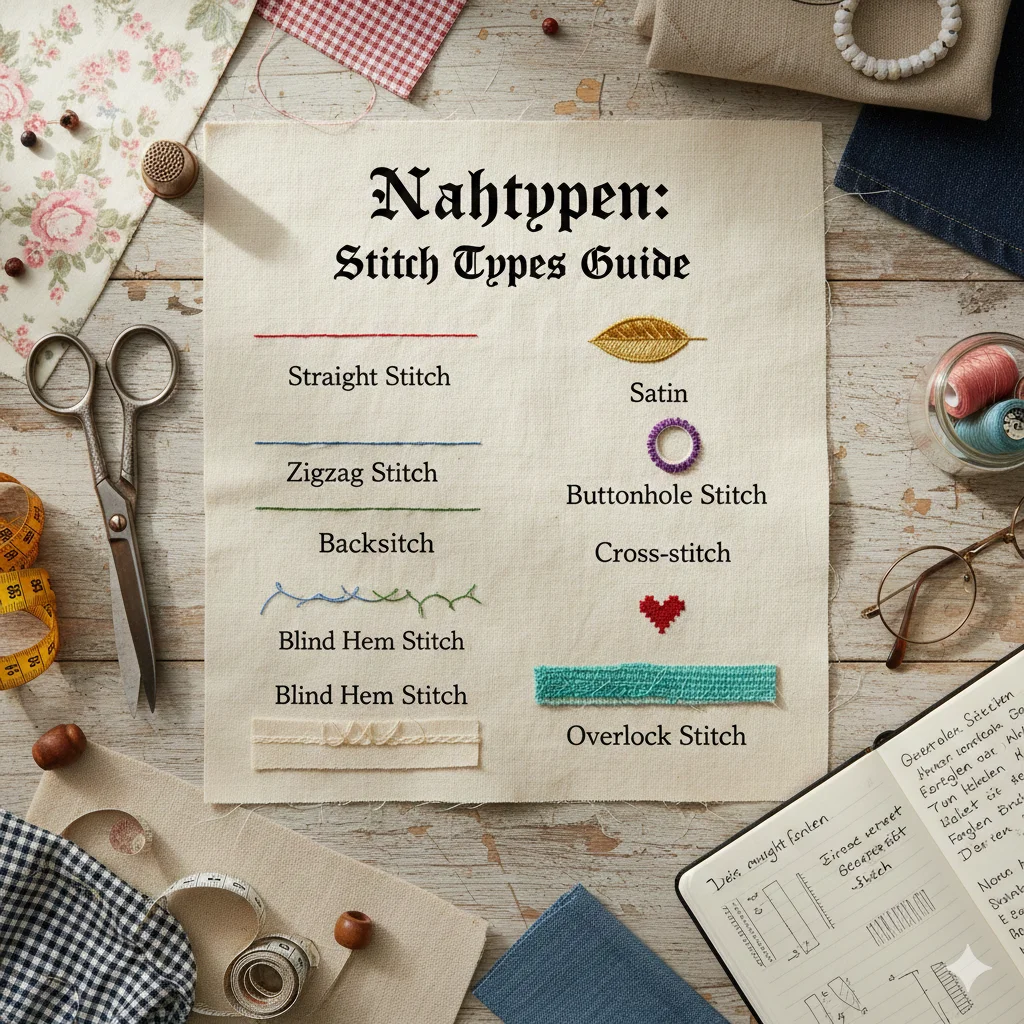
Introduction to Nahttypen (German term for stitch types)
Sewing is an art that brings fabric to life, and at the heart of this craft are the various stitch types known as Nahttypen. Understanding these stitches can transform your sewing projects from simple creations into stunning masterpieces. Whether you’re a beginner or a seasoned seamstress, knowing which stitch to use can significantly impact the quality and appearance of your work.
With countless options available, it’s essential to familiarize yourself with each type of stitch. From practical applications to intricate designs, every Nahttyp has its unique purpose. Join us on this journey as we explore the fascinating world of stitching!
The Importance of Knowing Different Stitch Types in Sewing
Understanding different stitch types can elevate your sewing skills significantly. Each stitch serves a unique purpose, contributing to the overall quality of your project.
Knowing when and how to use these stitches ensures that your seams are not only strong but also aesthetically pleasing. For instance, using a straight stitch for basic seams provides durability, while decorative stitches add flair to garments and home decor.
Furthermore, familiarity with Nahttypen allows you to troubleshoot issues effectively. If a seam is unraveling or isn’t holding up well under stress, recognizing the right stitch type can save both time and materials.
Mastering various stitches broadens your creative horizons. You’ll be able to experiment with designs and techniques that set your work apart from others in the sewing community.
Basic Stitches: Straight, Zigzag, and Backstitch
Basic stitches are the foundation of sewing. Understanding them is essential for any project.
The straight stitch is the most common type. It creates a clean line, ideal for seams and hems. This versatile stitch works well on various fabrics, from lightweight cotton to heavier denim.
Next up is the zigzag stitch. This one adds flexibility to your seams and prevents fraying at edges. It’s great for knit fabrics or when you want a bit of stretch in your seam.
Then there’s the backstitch, often used for added strength. It’s perfect for areas that need durability, like pockets or zippers. The backstitch secures your work by going backward before moving forward again.
Each basic stitch has its unique purpose and charm, making them indispensable tools in every sewist’s toolkit.
Decorative Stitches: Satin, Buttonhole, and Cross-stitch
Decorative stitches add flair to your sewing projects, transforming the ordinary into something extraordinary. Among these, satin stitch is a favorite for its smooth and glossy finish. This stitch works wonders on appliqué designs or filling in shapes with vibrant colors.
Buttonhole stitching serves a practical purpose as well. It not only creates functional buttonholes but can also be used decoratively along edges. The neat, reinforced look it offers enhances garments while ensuring durability.
Cross-stitch brings a charming touch to fabric art. Perfect for embroidery enthusiasts, this technique allows for intricate patterns that can depict anything from floral motifs to whimsical characters. With just a few simple X’s, you can create captivating designs that tell stories.
These decorative options elevate any project and provide endless creative possibilities within the world of Nahttypen.
Advanced Stitches: Blind Hem and Overlock
Advanced stitches can elevate your sewing projects, providing both functionality and a polished look. The blind hem stitch is particularly useful for hemming garments without visible stitching on the front side. It’s perfect for creating that clean finish on skirts or trousers.
Using this stitch requires precision. You’ll want to fold the fabric just right, allowing only a few threads to be caught by the needle with each pass. This technique not only enhances aesthetics but also maintains flexibility in your garment.
On the other hand, overlock stitches are essential for finishing raw edges and preventing fraying. This type of stitch wraps around the edge of your fabric, giving it a professional touch while securing layers together.
With an overlocker machine, you can work quickly and efficiently. It’s ideal for knits and woven fabrics alike; versatility is its strong suit! Mastering these advanced stitches will undoubtedly boost your confidence as you tackle more complex sewing projects.
How to Choose the Right Stitch for Your Project
Choosing the right stitch for your project can make all the difference in the final result. Consider the fabric type first. Light fabrics often require delicate stitches, while thicker materials may need something more robust.
Think about the purpose of your sewing project. Are you creating a garment meant for everyday wear or a decorative piece? Functional projects typically benefit from strong stitches like straight or zigzag, ensuring durability.
Next, evaluate any design elements you want to incorporate. Decorative stitches add flair but might not be suitable for every application.
Test different stitches on scrap fabric before committing to your main project; this will help you visualize how each option looks and performs. Trust your instincts and remember that experimenting can lead to beautiful outcomes!
Common Mistakes to Avoid When Using Different Stitch Types
When working with Nahttypen, many beginners encounter pitfalls that can easily be avoided. One common mistake is using the wrong stitch for the fabric type. Each material has its own requirements, and a mismatch can lead to issues like puckering or fraying.
Another frequent error is neglecting to adjust tension settings on your sewing machine. Incorrect tension can result in loose stitches or thread breakage, disrupting your workflow.
Failing to test stitches on scrap fabric before starting your project also tops the list of missteps. A little preparation goes a long way in ensuring you achieve the desired look and durability.
Don’t forget about proper needle selection. Using an inappropriate needle size or type can drastically affect stitch quality and overall finish. Take time to choose wisely; it makes all the difference in achieving perfect results!
Conclusion
Understanding Nahttypen enriches your sewing experience. Each stitch type offers unique advantages, tailored to different fabrics and project requirements. Mastering the basics like straight and zigzag stitches lays a strong foundation for any sewer.
Exploring decorative stitches can elevate your projects from ordinary to extraordinary. Techniques such as satin stitching or cross-stitching add character and flair. Advanced methods like blind hem and overlock stitching bring professionalism to your finished pieces, ensuring durability while maintaining an aesthetic appeal.
Choosing the right stitch involves considering fabric type, intended use, and desired finish. Awareness of common pitfalls ensures that you avoid frustration during your creative process.
Embracing various Nahttypen will not only enhance your skills but also expand your creativity in sewing projects large or small. Whether you’re mending clothes or embarking on a new quilting adventure, understanding these essential stitch types will serve you well throughout all of your crafting endeavors.